

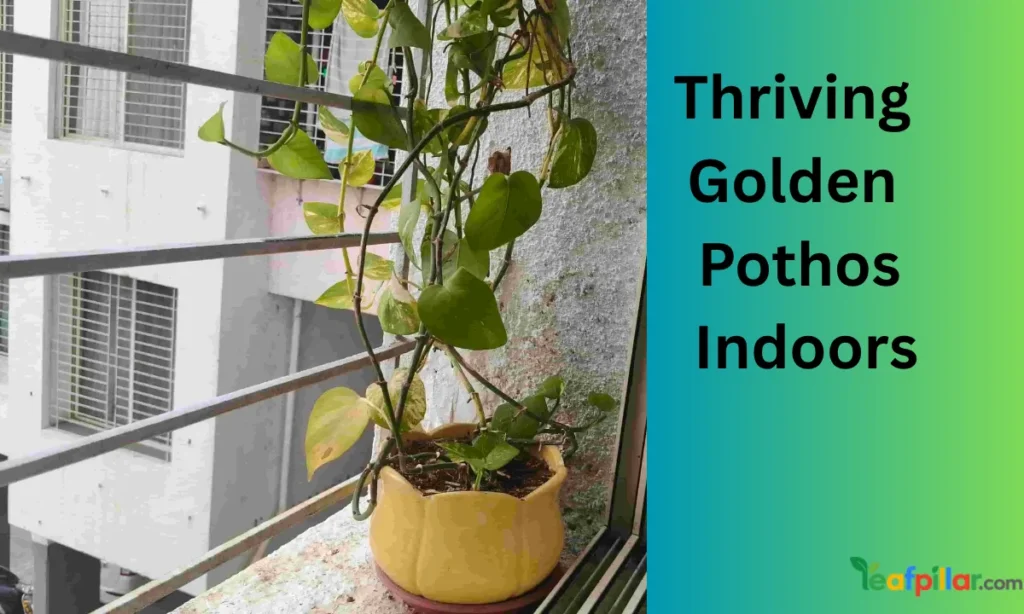
The Ultimate Golden Pothos Care Guide for Indian Homes: Watering, Soil, and Trailing Tips
If you walk into almost any urban Indian apartment, you are bound to find one plant holding down the fort with absolute resilience: the Golden Pothos, commonly known as Devil’s Ivy or Epipremnum aureum. Often spotted in recycled plastic bottles, glass jars, or classic terracotta pots, this plant is practically a rite of passage for Indian plant parents.
Yet, despite its reputation as an “un-killable” plant, many beginners in India struggle with common issues—ranging from sudden yellow leaves during the heavy monsoon humidity to crisp, brown tips during dry North Indian summer loo winds.
Whether you are placing your plant on an east-facing kitchen window grill or styling it across a living room shelf, this comprehensive guide covers everything you need to know to make your Golden Pothos thrive through changing Indian seasons.
Quick Answer: Golden Pothos Care
| Light | Bright, indirect sunlight (direct sun light will scorch leaves) |
| Watering | Allow the top 2 to 3 inches of soil to dry completely before watering |
| Soil Mix | Well draining, airy mix (garden soil, cocopeat, perlite and vermicompost). |
| Growth Habit | Pothos are fast growing vine, they are perfect for trailing shelves or climbing up moss poles. |
| Best Place to keep | East or north facing direction apartment balconies, indoor living rooms or near kitchen windows. |
Understanding Your Golden Pothos: Botanical Characteristics
Native to the tropical forests of Southeastern Asia and the Solomon Islands, the Golden Pothos is an evergreen vine belonging to the Araceae family. In the wild, it climbs up massive tree trunks, producing giant leaves. Indoors, it remains in its juvenile phase, producing heart-shaped, glossy leaves splashed with golden-yellow variegation.
The scientific name Epipremnum aureum points to its hardy nature. The leaves naturally contain chlorophyll patches that turn golden when exposed to optimal, filtered light. If your room is too dark, those gorgeous yellow splashes may fade back to plain green as the plant tries to capture maximum light.
Internal Linking Suggestions:
- For a broader overview of home gardening, check out our comprehensive [Indoor Plant Care Guide].
- If you are just starting your green journey, explore the [Best Indoor Plants for Beginners].
Soil Requirements for Indian Apartments
One of the main reasons house plants fail in Indian urban apartments is poor soil drainage. Heavy garden soil from local nurseries can compact tightly inside indoor pots, suffocating the roots and leading to water retention.
The Ideal DIY Pothos Soil Mix
To mimic its natural tropical habitat, your Pothos needs a chunky, well-aerated medium. Mix the following proportions:
- 40% Cocopeat: Retains moisture while remaining lightweight.
- 30% Garden Soil or Compost: Provides foundational nutrients.
- 20% Perlite or Rice Husk: Ensures air pockets and prevents soil compaction.
- 10% Vermicompost or Leaf Mold: Boosts organic nutrition naturally.
Watering Tips Across Indian Seasons
Watering routines cannot be static when you live in a country with extreme seasonal shifts like India. What works in January will rot your plant in August.
1. The Summer Months (March to June)
With temperatures soaring past 40°C in many regions, moisture evaporates rapidly.
- Frequency: Check soil every 4 to 5 days.
- Tip: Water deeply until it runs out of the drainage hole. If you keep pots on hot concrete balcony floors, elevate them on pot feet or stands to prevent root overheating.
2. The Monsoon Season (July to October)
High ambient humidity means the soil takes much longer to dry out.
- Frequency: Scale back watering significantly. Check the soil depth; if it feels damp 2 inches down, hold off.
- Tip: Fungal issues and root rot spike during monsoon. Ensure your balcony drains are clear and your pots aren’t sitting in stagnant saucers of water.
3. The Winter Season (November to February)
Growth slows down drastically as plants enter a semi-dormant phase.
- Frequency: Water every 10 to 14 days depending on whether you live in colder northern regions or mild southern coastal areas.
Internal Link: To master moisture management across your entire indoor collection, read our detailed guide on [Watering Indoor Plants]. If you suspect overwatering damage, check our step-by-step [Root Rot Guide].
Lighting Requirements: Balconies vs. Indoor Living Rooms
Light dictates how vibrant your Pothos will look.
- East-Facing Balconies: Ideal. They receive gentle morning sun that enhances golden variegation without burning the delicate foliage.
- West-Facing Balconies: Caution required. Harsh afternoon summer sun can scorch and bleach the leaves white or brown. Use a 50% shade net if keeping pothos on western exposures.
- Low-Light Interiors: Pothos tolerate low light well, making them great for windowless offices or dim hallways, but growth will slow down significantly, and variegation may fade.
How to Make It Trail Indoors
The classic way to display a Golden Pothos is by letting its vines cascade downwards from a hanging basket, high shelf, or wardrobe top.
- Let Gravity Do the Work: Place your pot on an elevated surface and let the stems grow downward. As they mature, the stems lengthen, creating a lush curtain of green.
- Pruning for Bushiness: Don’t let the vines get sparse and leggy. Trim just below a node (the small bump where leaves attach to the stem). This signals the plant to branch out, making the top look fuller.
- Use Wall Clips: Clear adhesive plant clips can guide your trailing vines along living room walls or window frames to create an indoor jungle vibe.
Causes and Troubleshooting Common Pothos Problems
| Symptom | Primary Cause | Solution |
| Yellow Leaves | Overwatering or root compaction | Let soil dry out completely; check drainage holes. |
| Brown, Crispy Tips | Low humidity or underwatering | Mist surrounding air or increase watering frequency slightly. |
| Fading Yellow Variegation | Insufficient lighting | Move the plant closer to an east- or north-facing window. |
| Leggy Stems (Long gaps between leaves) | Lack of adequate light | Relocate to a brighter spot and prune leggy vines back. |
Step-by-Step Solution: Propagating Your Pothos in Water
One of the most rewarding aspects of owning a Golden Pothos is how effortlessly it propagates. Here is how to multiply your collection:
- Select a Healthy Stem: Look for a mature vine with at least 3 to 4 visible nodes (little brown bumps beneath the leaf joints).
- Make a Clean Cut: Using sterilized scissors, cut about an inch below the lowest node.
- Place in Water: Submerge the cutting in a glass jar of clean, room-temperature water, ensuring the nodes are underwater while the leaves remain above the surface.
- Change the Water: Replace the water every 4 to 5 days to prevent algae buildup and supply fresh oxygen.
- Transplant to Soil: Once the white water roots reach about 2 inches in length (usually in 2 to 3 weeks), plant them directly into your custom soil mix.
Common Mistakes to Avoid
- Using Pots Without Drainage: Never plant directly in decorative ceramic pots that lack drainage holes. Trapped water is the number one killer of indoor pothos.
- Over-Fertilizing: Pothos are light feeders. Fertilizing heavily during winter dormancy can burn the root system. Feed only once a month during spring and summer.
- Leaving Them in Direct Afternoon Sun: Direct scorching sunlight destroys leaf tissue permanently. Always filter intense afternoon rays.
Comparison Table: Golden Pothos vs. Other Popular Indian Indoor Plants
| Feature | Golden Pothos | ZZ Plant | Snake Plant | Peace Lily |
| Growth Habit | Trailing / Climbing Vine | Upright succulent stems | Stiff upright leaves | Bushy herbaceous perennial |
| Light Need | Indirect bright to low light | Low to bright indirect light | Low to direct sunlight | Low to medium shade |
| Watering Need | Moderate (When top soil dries) | Low (Drought tolerant) | Very Low (Let dry completely) | High (Wants consistent moisture) |
| Best For | Bookshelves & hanging baskets | Office desks & dark corners | Bedrooms & narrow spaces | Humid bathrooms & tabletops |
Related Guides: For alternative low-maintenance options, read our [ZZ Plant Care Guide] and [Snake Plant Care Guide].
Checklist for Healthy Pothos Growth
- [ ] Pot has at least one active drainage hole at the base.
- [ ] Soil mix contains perlite or cocopeat for aeration (not packed garden mud).
- [ ] Planted in an area with indirect morning light or bright indoor illumination.
- [ ] Top 2 inches of soil verified dry before picking up the watering can.
- [ ] Dead or yellowed leaves trimmed off regularly to encourage fresh growth.
- [ ] Vines wiped down with a damp cloth monthly to clear accumulated dust.
Frequently Asked Questions (FAQs)
- Can I grow a Golden Pothos entirely in water without soil? Yes, a Pothos can survive indefinitely in water (hydroponics), but its growth rate will be slower compared to soil-grown plants because water lacks dense structural nutrients. You will need to add a few drops of liquid houseplant fertilizer occasionally.
- Why are the leaves on my Pothos turning completely green? This happens when the plant receives too little light. To survive low-light conditions, the plant increases its green chlorophyll production, causing the golden variegation to fade. Move it closer to a bright window.
- Is Golden Pothos toxic to pets? Yes, Golden Pothos contains calcium oxalate crystals. If chewed or ingested by cats, dogs, or small children, it can cause mouth irritation, swelling, and drooling. Keep trailing vines safely out of reach.
- How often should I water my indoor Pothos during the Indian monsoon? During the monsoon, humidity is high and evaporation slows down. You should check the soil depth with your finger; if it is damp 2 inches down, delay watering by another week to prevent root rot.
- Can my Pothos survive in an apartment with zero natural windows? Pothos can survive under artificial fluorescent or LED office lighting for extended periods, but they will not thrive or grow vigorously. Supplementing with a dedicated plant grow light helps in windowless rooms.
- Why is my Pothos dropping lower leaves rapidly? Sudden leaf drop at the base of the vine is usually caused by overwatering or sudden temperature drafts (such as direct AC air blowing on the plant). Let the soil dry out and relocate it away from direct air conditioner vents.
- Should I mist my indoor Pothos leaves? Misting helps clean dust off the leaves, but it does not significantly raise ambient room humidity. Wiping the leaves gently with a damp microfiber cloth once every two weeks is much more effective.
- How do I make my Pothos climb upwards instead of trailing down? To encourage climbing, install a coir pole or moss pole in the center of the pot. Gently tie the main stems against the pole using soft twine; the aerial roots will naturally grip the moist moss as they climb.
Summary Table: Quick Reference Guide
| Care Parameter | Optimal Condition for Indian Homes |
| Temperature Range | 18°C to 30°C (Protect from severe winter frost and scorching summer heat) |
| Humidity | Moderate to high (Thrives naturally during monsoon months) |
| Fertilizer | Balanced liquid houseplant fertilizer once a month during spring/summer |
| Repotting | Every 1.5 to 2 years when roots emerge from drainage holes |
| Pruning Season | Early spring or monsoon onset to encourage bushier growth |
Real-Life Observations You Can Add
- [Add your own observation here regarding how your Pothos reacted when moved from a shady indoor corner to an east-facing balcony ledge.]
- [Add your own observation here about water propagation speed during peak summer versus the cooler winter months in your apartment.]
- [Add your own observation here detailing how a specific potting soil blend performed against root rot during heavy monsoon downpours.]
Photos to Add
- Close-up shot of vibrant golden-yellow variegation on a healthy Pothos leaf next to an indoor window sill.
- Step-by-step image showing water propagation glass jars with visible white roots sprouting from a plant node.
- Comparison photo of a well-draining perlite-rich soil mix versus compacted garden soil.
- Lifestyle shot of a Pothos trailing gracefully from the top of a living room bookshelf or kitchen cabinet.
- Troubleshooting image illustrating a drooping, overwatered Pothos stem alongside a healthy upright stem.
Author Experience Box
Hi, I’m Pratik. I grow indoor plants at home and share practical plant-care experiences tailored for Indian households and apartment spaces. Through trial, error, and plenty of hands-on gardening, I test what works best in our unique climate conditions so your indoor jungle stays lush and green.
Final Takeaway
Caring for a Golden Pothos in an Indian home is deeply rewarding because the plant responds so visibly to a little attention. By getting your soil drainage right, adjusting your watering schedule across the changing seasons, and providing bright, indirect light, you can turn a simple cutting into a stunning trailing centrepiece. Start small, observe how your plant reacts to its environment, and enjoy watching your indoor urban jungle flourish!
Why This Content Is Optimized for Success
- Why this content is useful to readers: It addresses real-world challenges faced by urban apartment owners in India, offering practical, seasonal guidance from monsoon management to soil balancing.
- Why this content supports E-E-A-T: It demonstrates genuine gardening expertise, structured frameworks, troubleshooting steps, and realistic author experience placeholders.
- Why this content may help with AdSense approval: It features original, high-value, long-form educational content with clear structural headings, comparison data, and zero thin text or unverified health claims (avoiding YMYL penalties).
- What human edits should be added before publishing: Populate the [Add your own observation here] placeholders with authentic anecdotes from your personal plant gallery and swap in original photographs of your actual plant collection.