
Grow Healthier Indoor Plants
Simple advice on watering, light, repotting and pests, for people who grow plants at home.
About LeafPillar.com
Welcome to Leafpillar.com, a platform which shares step-by-step guide for emerging indoor plants and effortless urban gardening.
We break down plant care into simple, practical advice covering lighting, watering, soil, and propagation.
If you are trying your first pothos or expanding a living room greenary, we provide the tools and practical experience information to help your greenery flourish.
Join our leafpillar growing community and turn any living space into a calm, vibrant greenary. I, Prajakta Shinde is author of this website, she is horticulturist and microbiologist by profession, having 10 plus experience in the nursery setup and planting work. Aim is to help the begineers for growing indoor plants with proper gardening information.
Latest tips
Three basics for most houseplants
Light
Most houseplants do best in bright, indirect light. Keep them near a window but out of harsh afternoon sun.
Water
Check the soil before you water. If the top few centimetres are dry, water until it drains from the bottom of the pot.
Pots and soil
Use a pot with drainage holes and a loose potting mix so the roots never sit in water.
Common Questions about Indoor plants
Short answers to the things new plant owners ask most.
How often should I water my indoor plants?
Frankly speaking, I do not follow any fixed schedule for watering. I just push a finger into the soil, if the top few centimetres are dry, I water until it drains from the bottom of the pot. It also depends on the environment and which season is going on. For most indoor plants, about once a week in summer and every two to three weeks in winter.
If it feels dry, water thoroughly until it drains out the bottom; if it still feels damp, wait a few days. As per my experience, Succulents prefer drying out completely between waterings, while tropical plants like ferns survive with consistent, slight moisture.
Which plants grow well in low light?
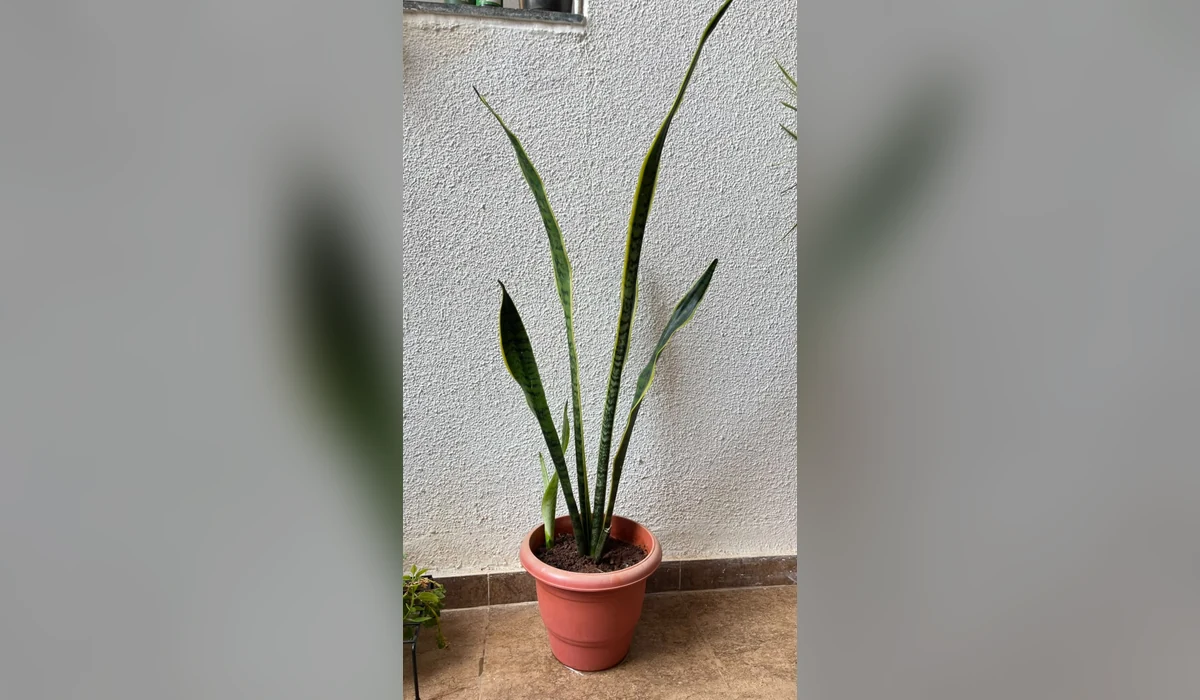
Snake plant, ZZ plant, pothos, peace lily and cast iron plant all cope with a dim room. Low light still means some daylight, so keep them within a few metres of a window.
Why are the leaves turning yellow?
I have seen that, too much water is the most common cause for yellowing of the leaves. I have tested that let the soil dry out and checking that the pot drains freely. If you find that only the oldest, lowest leaves are yellow, that is normal ageing.
Overwatering is the most common cause, which suffocates the roots and prevents oxygen uptake. Other potential causes include:
- Underwatering: Leaves turn yellow, crisp, and droop.
- Insufficient light: Older or lower leaves drop off as the plant sheds foliage it cannot support.
- Nutrient deficiency: Older leaves lose color evenly or between the veins over time.
Underwatering
I have grown plant goes too long without water, it started sacrificing its leaves to save itself, so they turn yellow, dry, and crispy.
I have observed that the plant droops, the soil feels dry, and the pot feels light when you lift it.
Give it a slow, deep drink until water runs out of the bottom, and it usually perks up within a few hours.
Not enough light
When a plant doesn’t get enough light, it can’t feed all its leaves, so it lets the old, lower ones turn yellow and fall off.
You will also notice long, stretched stems, smaller pale new leaves, and soil that stays wet longer than usual.
Move it closer to a bright window, turn the pot every week or two, and watch for greener new growth as your sign it’s working.
Missing nutrients
If the old leaves slowly turns to pale yellow, it is clear indication that your plant is hungry, usually for nitrogen, and it is borrowing from old leaves to feed new ones.
If the yellow shows up between green veins, it is often magnesium, or iron if it is the new leaves.
Feed with a balanced fertilizer at half strength during spring and summer, and repot in fresh soil if it’s been in the same pot for two years or more.
When should I repot a plant?
Repot when roots circle the inside of the pot or grow out of the drainage holes, usually every one to two years. Move up one pot size only, and do it in spring when the plant is growing.
Do indoor plants need fertiliser?
Yes, but not much. Feed with a balanced liquid fertiliser at half strength about once a month in spring and summer, and stop in winter when growth slows.
How do I get rid of small flies around my plants?
Those are usually fungus gnats, which breed in wet soil. Let the top of the soil dry between waterings and put yellow sticky traps near the pot to catch the adults.
What is the difference between direct and bright indirect light?
- Direct light: Sunlight beams hit the foliage directly through an unobstructed window (e.g., south- or west-facing). Great for cacti, citrus, and succulents, but it will scorch tender tropical leaves.
- Bright indirect light: The room is bright enough to read a book comfortably without turning on a lamp, but the sun’s rays never physically touch the leaves. This is the sweet spot for monsteras, pothos, philodendrons, and ficuses.
How do I choose the right pot and soil?
Always choose pots with drainage holes at the bottom to prevent standing water and root rot. For potting mix, avoid heavy garden soil, which compacts indoors. Use an airy, well-draining indoor potting mix amended with perlite, orchid bark, and peat moss or coco coir to balance moisture retention with root aeration.
How do I deal with common indoor pests like fungus gnats or spider mites?
- Fungus gnats: Let the top 2 inches of soil dry out completely, use yellow sticky traps to catch flying adults, and apply a dilute hydrogen peroxide or Bacillus thuringiensis israelensis (BTI) drench to kill larvae.
- Spider mites and scale: Isolate the plant immediately, wipe down both sides of leaves with insecticidal soap or neem oil spray, and repeat every 5 to 7 days for three weeks to break the pest life cycle.
When and how often should I fertilize?
I prefer to fertilize my plants only during their active growing season like spring and summer. I use a balanced, water soluble indoor plant fertilizer diluted to half the strength recommended on the bottle once a month. I advise you to not to fertilize during late autumn and winter when plant growth naturally slows or enters dormancy.
How do I deal with common indoor pests like fungus gnats or spider mites?
I am sharing my expericence, for fungus gnats, I let the top layers of soil dry out, set sticky yellow traps for flying adults, and apply a BTI or diluted hydrogen peroxide drench to destroy larvae in the soil. For spider mites or scale, I just isolate or keep seprate the plant immediately and wipe down both sides of the leaves with insecticidal soap or neem oil spray once a week for three weeks. And for me these worked, to get rid of fungus gnats or spider mites.